


Composite foam sandwich panels are purpose-built engineered materials for the construction industry-here's how they work: two tough outer layers (known as "skins") are bonded to a lightweight foam core, creating a handy three-layer "sandwich" structure.
This design hits the sweet spot for practicality: the panels are easy to handle and install (no heavy lifting headaches!), while still packing enough strength for construction needs and top-notch thermal insulation. And when it comes to outdoor spaces? Our modern PVC false ceiling panels leverage this same smart structure to deliver convenience and performance in one.
|
Feature |
Environmental, Fireproof, Light Weight, Metal Panel |
|
Fire Rating |
1 |
|
Certification |
CCC, ROHS, ISO9001 |
|
Customized |
Customized |
|
Color |
Customer's Require |
|
Certificate |
ISO 9001;CCC;RoHS CE |
|
Surface |
Smooth Surface, Frosted/Embossed Process |
|
Sample |
Free |
|
Application |
Residential Buildings,Hotels,External Wall Insulat |
|
Core Material |
Polyurethane Foam |
|
Surface Material |
High Quality Aluminized Zinc Plate,PVC, |
|
Underside Material |
Aluminum Foil or Steel Plate |
|
Transport Package |
Standard Seaworthy Packing |
|
Specification |
3800mmx383mmx16mm(Support customization) |
|
Trademark |
Pansen |
|
Origin |
China |
|
Production Capacity |
50000 Square Meters/Week |

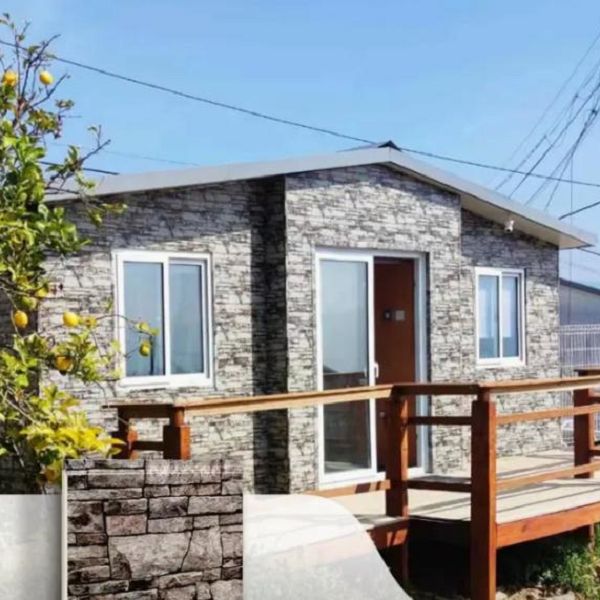
Key features of Cladding Sandwich Panel
ADVANTAGE:
1,Low weight - weighs up to 75% less than mineral fibre insulated galvanised sheet - this makes it ideal for refurbishment projects, where existing building structures have insufficient load capacities for new service loads.
2,Faster installation speeds - low weight duct work fabricated in sections up to 2.95 m long, single-fix installation and no need to install insulation as a second operation, reduces project scheduling periods for insulated duct work.
3,Space saving - typically saves up to 150-200 mm in a single dimension, since the space required to manually install a separate layer of insulation around the duct work is eliminated - this allows duct work to be installed flush to ceilings, walls and floors, as well as to surfaces within confined enclosures.
4,Installed cost savings - reduced labour and materials, including fixings and first level support members, can provide an ideal value engineered duct work solution without compromising performance - over 15% less expensive.
5,Low air-leakage - rates can be reduced to a fraction of those typical of rectangular sheet metal duct work

Common Applications
Cladding sandwich panels are versatile and used in numerous sectors. The primary applications include:
1.Industrial and Manufacturing Facilities: The panels are a popular choice for external walls, internal partitions, and roofing of factories, production buildings, and industrial halls, offering robust protection and energy efficiency.
2.Warehousing and Logistics Centers: Due to their fast installation and low maintenance, these panels are ideal for constructing storage buildings, distribution centers, and logistics hubs.
3.Cold Storage and Freezer Rooms: Panels with a thick, high-insulation core (often PUR or PIR foam) are specifically designed for refrigerated warehouses and walk-in freezers, where maintaining precise, low temperatures is critical for preserving perishable goods.


Product Usage and Maintenance Instructions
1.Before Installation: Make sure the wall surface is solid, level, and dry. If the wall is significantly uneven, we recommend installing wooden battens first to level it out before moving forward.
2.During Installation: Follow the diagrams we provide, and be sure to leave expansion joints as required.
3.Post-Installation Cleaning: For everyday cleaning, just wipe the surface with a damp cloth. For tough stains, use a diluted neutral cleaner.


Foam Core Composite Panel FAQ
Q WHAT LAMINATION WAYS DO YOU USE?
A: We have plastic extrusion, glue laminations with our accurate machines & professional technics to control the good quality. The lamination way is according to customer's requirement or our rich experience.
Q WHAT IS THE MAXIMUM INDOOR HUMIDITY THAT AVOIDS MOISTURE PROBLEMS?
A: The maximum recommended continuous indoor relative humidity (RH) varies from 30% to 45%, depending on geographic location.
General guidelines by region of the country can be found here. An engineer should be consulted to determine the correct HVAC design for a specific facility.
Q WHAT HAPPENS WHEN A FACING BECOMES WET AFTER INSTALLATION?
A: Typically, insulation facing will not be affected by limited exposure to water if allowed to fully dry. Prolonged exposure to water can potentially result in a loss of certain physical properties.
Q WHY DO YOU OCCASIONALLY EXPERIENCE STAINING OF FOIL FACED INSULATION?
A: Improperly ventilated bags are the primary cause of staining. Black or brown staining is caused by extended exposure to moisture on the surface of the foil. Potential sources of moisture are: Adhesive used to laminate the facing to fiberglass,Improper job site storage, Exposure to curing concrete, Daytime/nighttime temperature changes
Hot Tags: composite foam sandwich panel, China composite foam sandwich panel manufacturers, suppliers, factory, Polyethylene Sandwich Panel, Cladding Sandwich Panel, wall panel sandwich, Foam Composite Panel, Polystyrene Sandwich Panel, poliuretan panel