


Item:PVC Floating Floor
Indoor/ Outdoor:Indoor
Size:183*1220mm or 230*1220mm or 230*1524mm
MOQ:600SQM
Floating Flooring
Your Professional Floating Flooring Supplier
Was founded in 2005, leading Manufacturer of Premium finishing material, With over 16 years of expertise, Pansen Decor specializes in engineering high-performance Wall panels that blend aesthetic elegance with superior sound control. From sustainable WPCpanels to customized wall systems, our mission is to transform global spaces—one panel at a time.
-
![Floating Interlocking Flooring]()
-
![PVC Floating Floor]() PVC Floating FloorItem:PVC Floating Floorread more
PVC Floating FloorItem:PVC Floating Floorread more
Transport Package:Carton Box + Shrink Film + Pallet + 6strips
Width:240mm
MOQ:600SQM -
![Luxury Vinyl Floating Floor]() Luxury Vinyl Floating FloorItem:Luxury Vinyl Floating Floorread more
Luxury Vinyl Floating FloorItem:Luxury Vinyl Floating Floorread more
Surface Finish:Eir
Size:183*1220mm or 230*1220mm or 230*1524mm
MOQ:600SQM -
![Floating Plank Flooring]() Floating Plank FlooringItem:Floating Plank Flooringread more
Floating Plank FlooringItem:Floating Plank Flooringread more
Material:PVC
Size:183*1220mm or 230*1220mm or 230*1524mm
MOQ:600SQM -
![Waterproof Floating Floor]() Waterproof Floating FloorItem:Waterproof Floating Floorread more
Waterproof Floating FloorItem:Waterproof Floating Floorread more
Surface Material of Solid Wood Composite Floor:Oak
Size:2280mm*240mm*7mm
MOQ:600SQM


Why Choose Us
Professional Team
We also have an excellent R&D and quality control team, dedicated to updating new designs and perfecting production processes to meet the customized requirements of global customers.
Rich Export Experienc
Our products have been exported to over 20 countries spanning North America, the Middle East, Africa, Asia, and Australia, earning recognition for their quality and versatility worldwide.
Certification
Our regular products have passed CE, ISO 9001, FSC, ASTM D7032, SGS, and other certifications.
Quality Assurance
We guarantee the highest product quality and are committed to delivering exceptional after-sales service to ensure your complete satisfaction.
Advantages of floating floors
Simple installation
One of the main advantages of floating floors is the ease of installation. As there is no need for mortar or glue, installation is quick and easy, which reduces time and labour costs, with the advantage that there is no production of construction waste, such as rubble, which makes the process even more practical.
Finishing
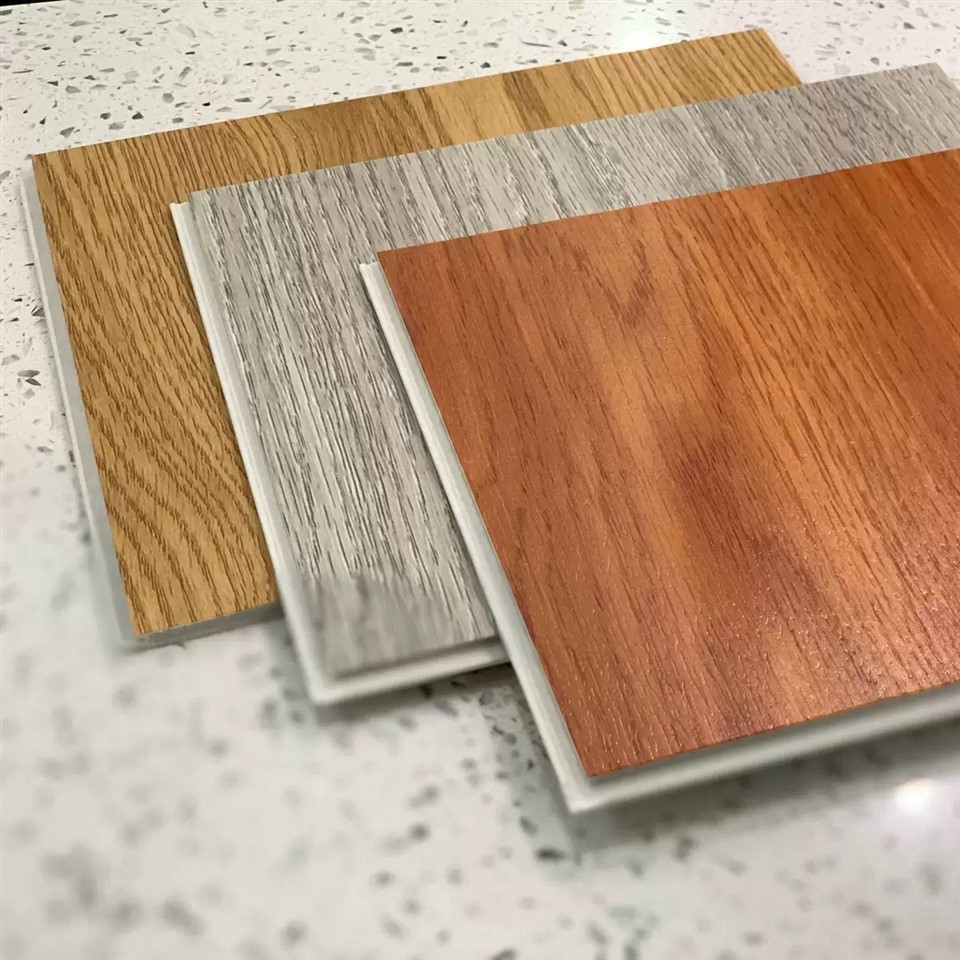
Another advantage of floating floors is the finish. It is available in a wide variety of models and shades, including options that imitate the appearance of wood, which allows you to choose a finish that suits the style of your home or office, and thus create a cosy and pleasant environment.
Thermoacoustic insulation
Floating floors also offer thermo-acoustic insulation, which means they help maintain the room temperature and reduce the propagation of noise. This feature is especially important in environments with a lot of movement, such as offices and living rooms.
Durability
Floating floors are known for their high durability. Resistant to scratches, stains and impacts, it's a great choice for high-traffic environments such as living rooms and corridors. What's more, with proper care and maintenance, floating floors can last for many years.
Easy maintenance
Maintaining floating floors is simple and easy. Regular mopping with a clean, damp cloth is all it takes to keep it clean. Unlike other floors, floating floors should not be waxed or polished.
Specification
|
Product Name |
PVC Floating Floor |
Brand |
PANSEN |
|
|
Thickness |
3.5mm-8.5mm |
Color |
Multi-Color |
|
|
Size |
Universal Size or Customizable |
Function |
Anti-Slip, Moisture Proof, Rot Proof, Wear-Resistant, Fireproof, Waterproof, Soundproof, Anti-Static, Thermal Insulation |
|
|
Paving Method |
Unilin Lock Spc Flooring |
Material |
PVC |
|
|
Hot selling size of wood grain |
1500mm*228mm |
Hot selling size of marble stone grain |
|
|
|
Back Padding |
IXPE / EVA 1.5mm(most polular ) |
|
|
Types of floating floors
Vinyl flooring
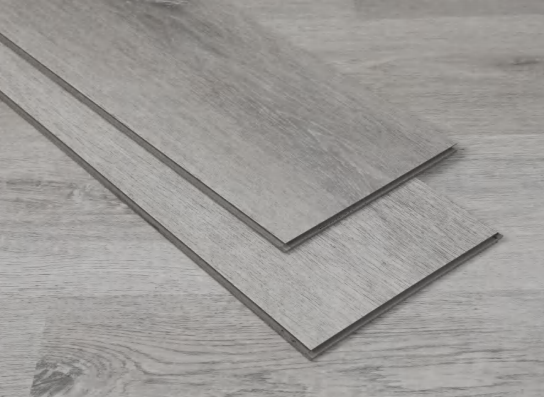
Vinyl flooring is composed of vinyl chloride (PVC) and can be found in different patterns that imitate the appearance of wood, burnt cement or other materials. They are available in two types of installation: LVT vinyl flooring, which can be glued or clicked, and SPC vinyl flooring, with a Double Click system.
Laminate flooring
Laminate floors are made from wood plywood, usually HDF (High Density Fiberboard), which is a high-density wood panel, and are known for their high-quality finish and the possibility of being installed quickly and easily, without the need for a lot of work.
Where to use floating floors
Floating floors can be used in practically any interior environment, such as living rooms, bedrooms or offices, and are an excellent option for those who want to renovate the floor of their home or office in a practical and economical way.
Installation Process of Floating Flooring
Prepare the Subfloor:
Ensure that the subfloor is clean, dry, and level. Remove any debris, dust, or existing flooring materials.
Address any imperfections or irregularities in the subfloor, as these can affect the stability of the floating floor.
Install Underlayment:
Lay down a suitable underlayment over the prepared subfloor. The underlayment provides additional support, moisture protection, and sound absorption.
Some floating floors come with an attached underlayment, while others may require a separate installation.
Acclimate the Flooring Material:
Allow the flooring material to acclimate to the room’s temperature and humidity for the recommended period, typically 48 hours.
This step ensures that the flooring adjusts to the environmental conditions, reducing the risk of expansion or contraction after installation.
Plan the Layout:
Plan the layout of the flooring, considering the direction of the planks or tiles for aesthetic appeal.
Measure and cut the first row, ensuring a proper fit against walls or obstacles.
Install the First Row:
Begin installing the first row by placing the tongue side against the wall, leaving a small expansion gap.
Use spacers to maintain a consistent gap around the perimeter of the room, allowing for natural expansion and contraction.
Interlock Planks or Tiles:
Interlock the tongue and groove or click-lock mechanisms of each plank or tile as you progress across the floor.
Apply gentle pressure to ensure a snug fit, creating a seamless and stable surface.
Cutting and Fitting:
Use a saw to cut planks or tiles as needed for the last row or around obstacles.
Ensure a staggered pattern for a natural look and increased stability.
Install Transitions and Molding:
Install transition pieces, such as T-molding or reducers, where the floating floor meets other flooring surfaces or different rooms.
Attach baseboards or quarter-round molding to cover expansion gaps and provide a polished finish.
Finishing Touches:
Inspect the entire installation, checking for gaps, unevenness, or visible imperfections.
Make any necessary adjustments and ensure that the floor is secure and stable.
Application of Floating Flooring
Renovations & Retrofitting
Can be laid directly over existing, hard-surface flooring (e.g., old tile or linoleum), saving on demolition costs.
Rental Properties
Perfect for temporary or rental spaces, as they can be easily uninstalled without damaging the original floor.
Residential Spaces
Commonly used in living rooms, bedrooms, and kitchens.
FAQ
As one of the most professional floating flooring manufacturers and suppliers in China, we offer a wide range of products with superior quality. Please feel free to wholesale cheap floating flooring from our factory. Thank you for your interest in our products.