


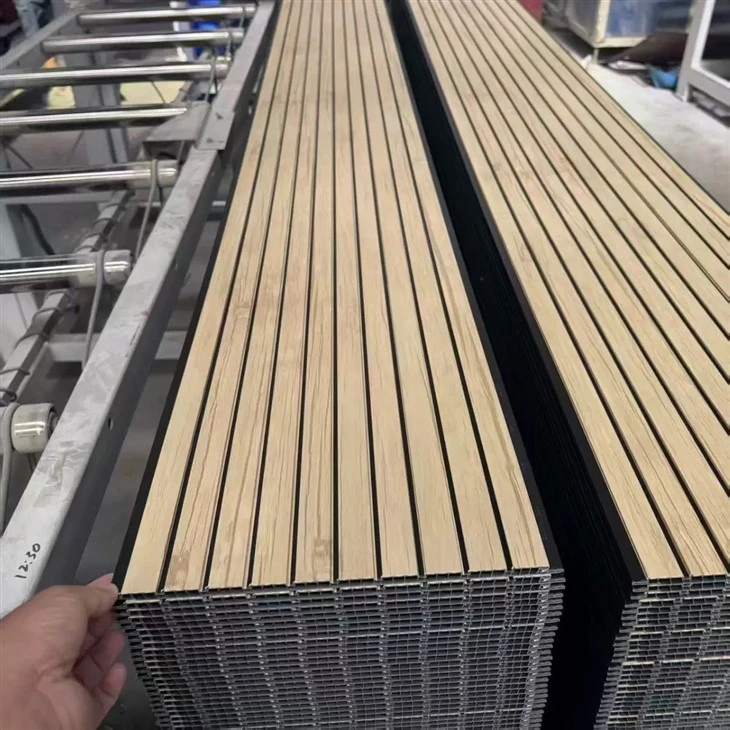
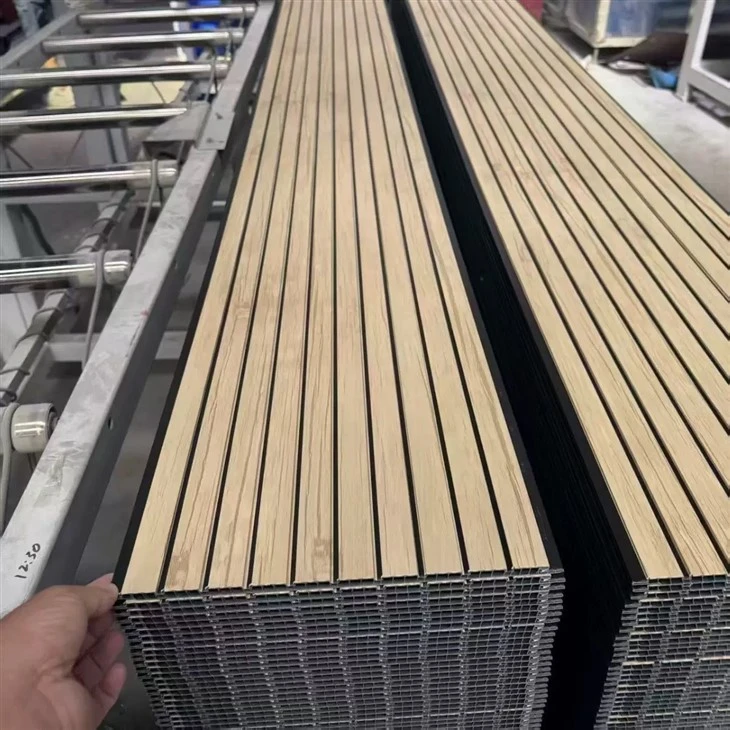

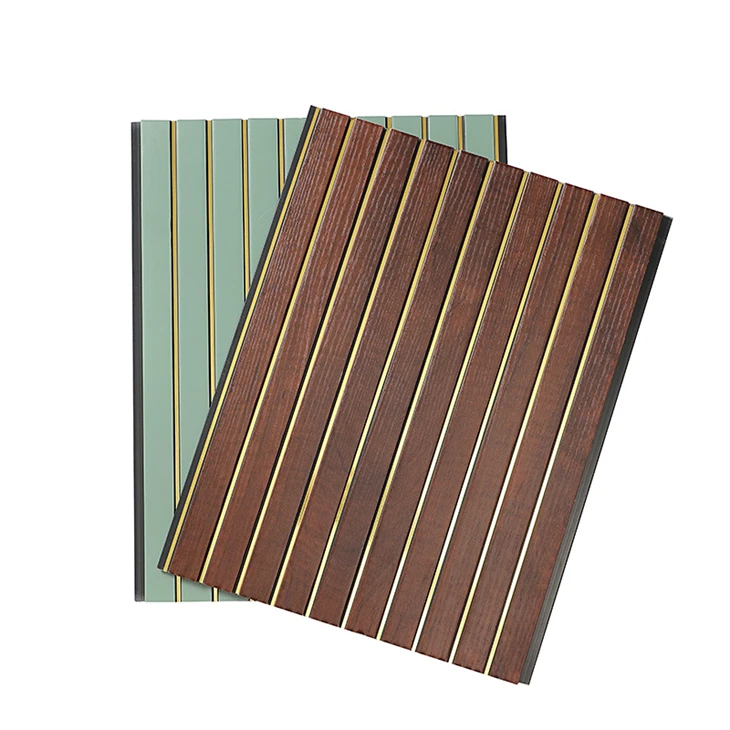
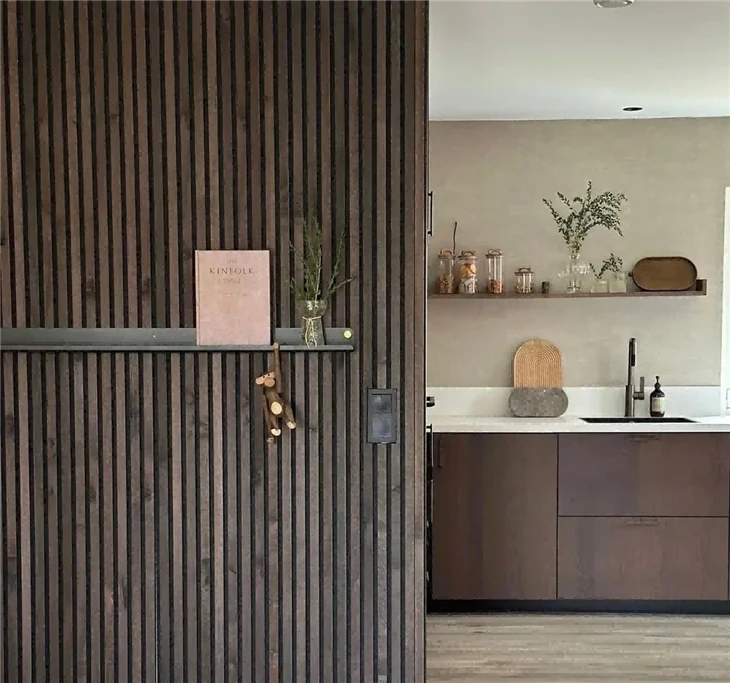
"PVC fluted panel installation" refers to the installation process of PVC fluted panels. Simply put, it's the method and steps of fixing these PVC wall panels, which have vertical grooves on their surface, to a wall or other substrate.
The installation method is not complicated, and there are two main methods: adhesive bonding and the joist method. Which one you choose depends primarily on the condition of your wall.
| Product Name | PVC fluted panel installation |
| Brand | PANSEN |
| Standard Size | 300*8/8.5/9*2900m |
| Material | 30-80% PVC + Calcium Carbonate + Other Additives |
| Features: | Wear-resistant, waterproof and fire-proof, environmentally friendly, beautiful and easy to install, UV protection, etc. |
| Color | Color book or customized |
| Fire Rating | B1 |
| Installation Type | Very easy install with accessories |
| Types | Printing / Hot Stamping/ Lamination |
| Transport Package | PE film (standard) / Carton (yellow/white), 10 PCS/Carton |
| Application: | Buildings, stations, hotels, offices, factories, shopping malls, schools, gymnasiums, hospitals, etc. |
| Payment | 30% deposited the rest should be paid before delivery |
| MOQ: | 80–100 pcs/color (mixed with other items) or 1×20'FT container |
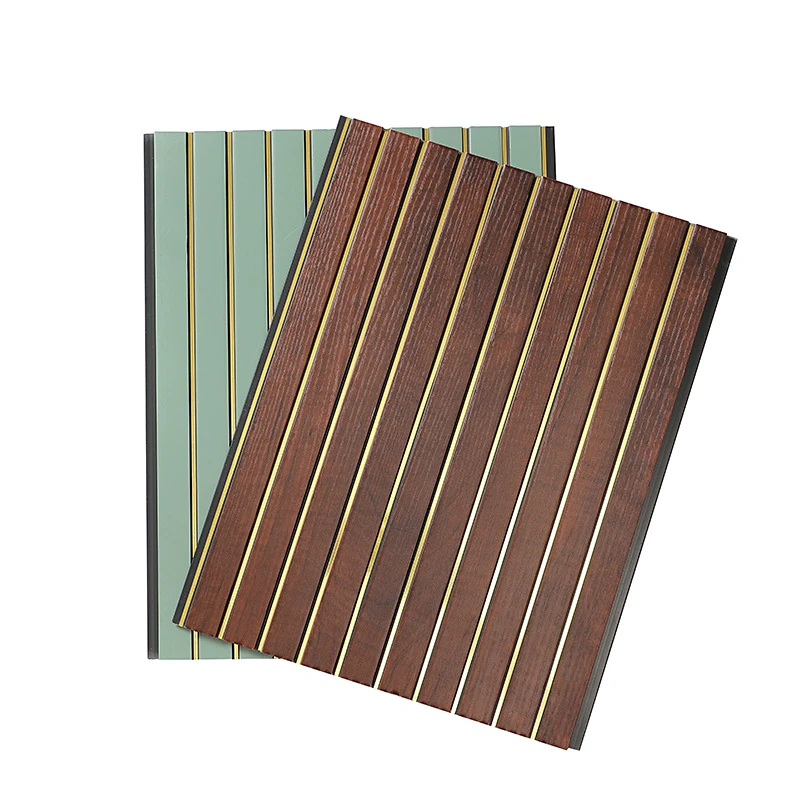
Color choose as below:

Gilded Marble1

Gilded Marble2

Gilded Marble3

Golden Cherry

pear wood

sandalwood
Adhesive Method (Direct Pasting)
This is the most common and fastest method; the core is simply "sticking the board to the wall."
Advantages
Extremely Fast Installation: After preparing the wall surface, apply adhesive, press to fix, and a board can be installed in minutes, significantly shortening the construction period.
Lowest Cost: Eliminates the need for framing materials and labor; only special adhesive is required, resulting in the lowest overall cost.
Space-Saving: The board is directly pasted onto the wall, resulting in almost no loss of interior space, making it ideal for small apartments or hallways.
Simple Process: Low technical threshold, making it the preferred DIY option for homeowners with strong hands-on skills.
Disadvantages
Extremely High Requirements for the Wall Surface: This is its fatal flaw. The wall surface must be very flat, sturdy, and dry. If the original wall has slight unevenness, the adhesive cannot reach evenly, resulting in poor adhesion, uneven stress on the board, potential deformation, or a hollow sound when tapped.
Irreversible: Once glued, it is almost impossible to remove completely; replacement will almost always damage both the wall and the board.
Limited load-bearing capacity: While it's fine for hanging picture frames, it's not sturdy enough for directly installing heavy wall-mounted cabinets or large televisions.
Keel Frame Method (Base Installation) First, install a layer of wooden or metal keel on the wall, then fix the panels to the keel.
Advantages
Highly Forgiving of Wall Surfaces: This is its biggest advantage. No matter how uneven the wall surface, how many minor cracks, or how slightly damp it is, simply leveling it with the keel can easily "cover up" all base layer problems.
More Stable Installation: The panels are fixed to a sturdy keel, resulting in a stable structure with strong load-bearing capacity. It's even possible to install wall-mounted air conditioners or televisions.
Easy to Conceal Piping: The keel is hollow, allowing for easy pre-installation of electrical wires, network cables, and even small water pipes, keeping the wall surface very clean.
Enhanced Functionality: The keel cavity can be filled with sound insulation cotton, significantly improving the wall's sound insulation effect; it can also form an air layer, enhancing moisture resistance.
Good Reversibility: Removal causes less damage to the wall surface, and replacing the panels is relatively easy.
Disadvantages:
**Occupies Indoor Space:** The keel itself is thick (usually 2-5 cm), reducing the actual floor space of the room. This should be carefully considered for very small spaces.
**Higher Cost and Time:** Increased material and labor costs for the keel, plus the additional step of "building the framework," result in higher overall costs and a longer construction period.
**Requires Certain Craftsmanship:** The keel frame needs to be leveled and marked with lines, demanding a certain level of skill from the installer. If the keel is not leveled, the final panel surface will be uneven.
Several Key Precautions
Use Special Adhesives: This is crucial. Ordinary all-purpose glue or white glue will corrode PVC materials, causing the panels to warp or blister. Always use solvent-free PVC-specific adhesive or nail-free adhesive.
Leave Expansion Joints: Leave a 2-3 mm gap where wall panels meet flooring, ceilings, or pipes to prevent warping or cracking due to thermal expansion and contraction.
Corner Alignment is Key: For fluted panels, pay special attention to ensuring the grooves of adjacent panels are aligned during installation; otherwise, it will affect the overall linear aesthetics and appear very rough.
Pay Attention to Power Switches/Sockets: Before installation, accurately mark the locations of wall switches and sockets. During installation, use a hole saw to drill holes at the corresponding locations so that the panel perfectly covers the electrical box.
Safety First: Wear safety goggles and a mask when cutting to prevent flying debris.
PVC fluted panel FAQ
Q: "Should I choose to glue the frame or install a keel?"
A: "It mainly depends on the condition of your walls. If the walls are very smooth (check with a 2-meter straightedge, the gaps are less than 2 millimeters), the adhesive method is the most cost-effective, as it is fast, low-cost, and does not take up space. If the walls are uneven, or if you need to pre-embed electrical wires or network cables in the walls, then we recommend the keel method, which can solve the leveling and concealment of pipes in one go, and is also more stable in the long run."
Q: How much is the price difference between the two methods?
A:"The main difference between the adhesive method and the keel method is the cost of the special adhesive and a small amount of labor; the keel method adds the cost of the keel material and the labor cost of building the frame. Generally speaking, the cost per square meter of the keel method will be higher than that of the adhesive method, but the specific price difference depends on the condition of your walls and the local labor cost. I can calculate the approximate budget for each option for your reference."
Q: "The wall is a bit uneven. Is it okay to just stick it on without fixing it?"
A: "We advise against it. Forcing the adhesive onto an uneven wall will result in insufficient contact area for the glue, making it prone to hollowing or even falling off later. It will also affect the alignment of the grooves, making it look very rough. We usually help you level the wall first, or we directly suggest installing a keel. It will cost a little more, but it will ensure that the wall will be stable for more than ten years."
Q: "After installation, are the gaps between the boards noticeable? How can they be addressed?"
A: "As long as the male and female grooves are properly aligned during installation, the gaps will be very small. For even better results, we will apply a little sealant of the same color during the splicing process. This will fill the gaps and prevent moisture from seeping in. After completion, the gaps will be barely visible, and the overall appearance will be very seamless."
Q: What should I do with the wall socket switch?
A: "We will accurately measure the location before installation and drill holes in the board. The hole size will be slightly larger than the socket box to ensure a perfect fit. Finally, the socket panel will cover the edges without affecting the aesthetics or usability."
Hot Tags: pvc fluted panel installation, China pvc fluted panel installation manufacturers, suppliers, factory